


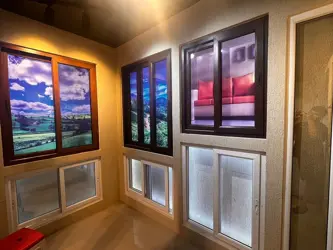


 Space Planning
Transforming Spaces: The Expertise of Top Interior Designers in Asansol
In the bustling urban landscape of Asansol, the desire for well-designed and aesthetically pleasing living and working spaces is ever-increasing. This is where the expertise of top-tier interior designers becomes invaluable. These professionals possess the unique ability to transform ordinary spaces into extraordinary environments that reflect the personality, needs, and aspirations of their clients.
Interior design is more than just arranging furniture and selecting color palettes. It is a multifaceted discipline that combines creativity, technical knowledge, and a deep understanding of human behavior to create spaces that are not only visually appealing but also functional, 1 safe, and conducive to well-being. In Asansol, a vibrant hub of diverse architectural styles and evolving lifestyles, the role of skilled interior designers is paramount in shaping the aesthetic and functional fabric of the city’s interiors.
The Diverse Services Offered by Interior Designers
Interior designers offer a comprehensive range of services tailored to meet the unique requirements of each project. These services typically encompass:
- Conceptualization and Space Planning: This initial phase involves understanding the client’s vision, lifestyle, and functional needs. Designers analyze the available space, considering factors like natural light, traffic flow, and existing architectural elements. They then develop detailed floor plans and layouts to optimize space utilization and create a harmonious flow between different areas.
- Design Development: Once the space plan is finalized, designers delve into the aesthetic aspects of the project. This includes selecting color schemes, materials, finishes, furniture, lighting fixtures, and decorative accessories that align with the client’s style and preferences while ensuring functionality and durability. They may also create 3D visualizations to help clients envision the final outcome.
- Furniture Selection and Procurement: Interior designers have extensive knowledge of furniture styles, manufacturers, and suppliers. They assist clients in selecting the right pieces that complement the overall design concept, fit the budget, and meet comfort and functional requirements. They often handle the procurement process, ensuring timely delivery and installation.
- Lighting Design: Effective lighting is crucial for both the functionality and ambiance of a space. Interior designers develop comprehensive lighting plans that incorporate various types of lighting, including ambient, task, and accent lighting, to create the desired mood and highlight architectural features and décor.
- Material and Finish Selection: From flooring and wall coverings to countertops and cabinetry finishes, designers guide clients in choosing materials that are aesthetically pleasing, durable, and appropriate for the intended use of the space. They consider factors like maintenance, acoustics, and sustainability.
- Custom Design and Fabrication: For unique design requirements, interior designers can create custom furniture, cabinetry, window treatments, and other bespoke elements. They work with skilled artisans and fabricators to bring these designs to life, ensuring a perfect fit and finish.
- Project Management: For larger projects, interior designers often provide project management services, overseeing all aspects of the design and execution process. This includes coordinating with contractors, managing timelines, and ensuring that the project stays within budget and adheres to the agreed-upon specifications.
- Styling and Decorating: The final stage involves adding the finishing touches that bring the design together. This includes arranging accessories, artwork, plants, and other decorative elements to create a cohesive and inviting atmosphere.
Budget Considerations for Interior Design Services in India
The cost of hiring an interior designer in India can vary significantly depending on several factors, including the scope of the project, the size of the space, the complexity of the design, the experience and reputation of the designer, and the location (Asansol being a metropolitan area may have different pricing structures compared to smaller cities).
Generally, interior designers in India may charge in one of the following ways:
- Per Square Foot: This is a common method, especially for residential projects. The cost per square foot can range from ₹50 to ₹500 or even higher for very high-end designers or extensive work including furnishings. For a 1BHK apartment (approximately 400-600 sq. ft.), the design cost could range from ₹5 lakhs to ₹8 lakhs, while a 2BHK (600-800 sq. ft.) might range from ₹7 lakhs to ₹15 lakhs. A larger 3BHK apartment could cost between ₹9 lakhs to ₹25 lakhs or more. These figures often include design fees and may or may not include the cost of materials and execution.
- Percentage of Project Cost: Some designers charge a percentage of the total project cost, which can range from 5% to 20% or more, depending on the designer’s experience and the project’s scale. This model works well for comprehensive projects where the designer is involved in procurement and execution.
- Fixed Fee or Lump Sum: For smaller, well-defined projects, designers may offer a fixed fee. This provides cost certainty but requires a clear understanding of the project scope beforehand.
- Hourly Rate: Some designers, particularly for consultation or smaller tasks, may charge an hourly rate, which can range from ₹1,500 to ₹5,000 or more per hour.
It’s crucial to have a detailed discussion with potential designers about their fee structure and to get a clear breakdown of what is included in their services. A well-defined contract will help avoid misunderstandings about costs and scope of work. It’s also advisable to set aside a contingency budget of 10-15% for unforeseen expenses.
Types of Interior Design Projects in India
Interior designers in Asansol and across India work on a diverse range of projects, including:
- Residential Interior Design: This is a significant segment, focusing on creating comfortable, functional, and aesthetically pleasing homes, including apartments, villas, and bungalows. Designers cater to the specific needs and preferences of individual families.
- Commercial Interior Design: This encompasses designing spaces for businesses, such as offices, retail stores, restaurants, hotels, and healthcare facilities. The focus here is on creating environments that enhance productivity, attract customers, and align with the brand identity.
- Hospitality Interior Design: This specialized area focuses on creating welcoming and memorable experiences for guests in hotels, resorts, and other hospitality establishments.
- Retail Interior Design: The goal here is to design retail spaces that are visually appealing, encourage browsing, and facilitate sales.
- Office Interior Design: Modern office design focuses on creating productive and collaborative workspaces that also prioritize employee well-being. This includes considerations for ergonomics, lighting, and flexible layouts.
- Renovation and Remodeling Projects: Many interior designers also handle renovation projects, transforming existing spaces to update their look, improve functionality, or adapt them to changing needs.
The Importance of Interior Design
Effective interior design plays a crucial role in enhancing our lives and the functionality of spaces. Its importance stems from several factors:
- Improved Aesthetics and Visual Comfort: A well-designed interior is visually appealing and creates a sense of harmony and comfort. This can significantly impact our mood and overall well-being.
- Enhanced Functionality and Efficiency: Good design optimizes the use of space, making it more functional and efficient for its intended purpose. This can improve productivity in workplaces and streamline daily activities at home.
- Better Space Utilization: In urban environments like Asansol, where space can be a premium, interior designers are adept at maximizing every square foot, creating smart storage solutions and multi-functional spaces.
- Improved Safety and Accessibility: Designers consider safety and accessibility in their plans, ensuring that spaces are user-friendly for people of all ages and abilities.
- Boosted Productivity and Creativity: In commercial settings, well-designed interiors can enhance employee morale, productivity, and creativity by creating a comfortable and inspiring work environment.
- Stress Reduction and Improved Mental Health: A clutter-free, well-organized, and aesthetically pleasing environment can reduce stress levels and contribute to improved mental well-being.
- Increased Property Value: Thoughtfully designed interiors can significantly increase the resale value of a property, making it a worthwhile investment.
- Reflection of Personal Style and Brand Identity: Interior design allows individuals to express their personal style in their homes and businesses to create a strong brand identity.
Current Trends in Interior Design in India
The interior design landscape in India, including Asansol, is constantly evolving, influenced by global trends and local sensibilities. Some current trends include:
- Sustainability and Eco-Friendly Materials: There is a growing emphasis on using sustainable materials, energy-efficient solutions, and eco-conscious design practices.
- Biophilic Design: Incorporating natural elements like indoor plants, natural light, and organic materials to create a connection with nature and enhance well-being.
- Minimalism and Clean Lines: A preference for uncluttered spaces, simple forms, and a focus on functionality.
- Bold Colors and Textures: While minimalism is popular, there’s also a trend towards incorporating rich, vibrant colors and interesting textures to add depth and personality to spaces.
- Statement Lighting: Decorative and sculptural light fixtures are becoming focal points in interior design.
- Vintage and Retro Influences: Incorporating vintage furniture and décor pieces to add character and a sense of history.
- Smart Home Technology: Integrating technology for lighting, security, and climate control to enhance convenience and efficiency.
- Emphasis on Craftsmanship and Local Materials: A renewed appreciation for traditional Indian crafts and the use of locally sourced materials.
- Personalized and Meaningful Spaces: Creating interiors that reflect the individual’s or family’s unique story, experiences, and values.
Finding the Right Interior Designer in Asansol
Choosing the right interior designer is a crucial step in ensuring the success of your project. Here are some tips for finding the perfect fit in Asansol:
- Review Portfolios: Look at the designer’s previous work to see if their style aligns with your vision. Most designers have online portfolios or are active on platforms like Instagram and Pinterest.
- Check Experience and Expertise: Consider the designer’s experience with projects similar to yours. If your project involves structural changes or custom designs, look for designers with a proven track record in these areas.
- Understand Their Services: Ensure that the designer offers the specific services you need, whether it’s full-service design, consultation, or project management.
- Consider Your Budget: Be upfront about your budget and find a designer whose pricing aligns with your expectations.
- Communication is Key: Choose a designer who listens to your ideas, provides valuable input, and communicates clearly throughout the process.
- Check Reviews and References: Look for online reviews and ask for references from past clients to get a sense of the designer’s professionalism and reliability.
- Ask About Their Design Process: Understanding their approach will help you gauge how they will work on your project.
- Inquire About Project Timelines: Discuss estimated completion dates upfront to ensure they align with your schedule.
- Consider Their Network: A well-connected designer will have a trusted network of contractors and vendors, which can streamline the execution process.
Benefits of Hiring an Interior Designer
While some may consider interior design an added expense, hiring a professional can offer numerous benefits:
- Professional Expertise: Designers have the knowledge and skills to create functional and aesthetically pleasing spaces that you might not be able to achieve on your own.
- Time and Money Savings: They can help you avoid costly mistakes and make informed decisions about materials and furnishings, potentially saving you time and money in the long run.
- Access to Resources and Networks: Designers often have access to exclusive suppliers, vendors, and contractors, which can provide you with better quality and pricing.
- Personalized Design Solutions: They work closely with you to understand your needs and preferences, creating a space that truly reflects your style and lifestyle.
- Streamlined Project Management: For larger projects, designers can handle the complexities of project management, coordinating with various trades and ensuring smooth execution.
- Fresh Ideas and Innovation: They bring a fresh perspective and can offer innovative design solutions that you might not have considered.
- Attention to Detail: Designers pay meticulous attention to every detail, ensuring a cohesive and polished final result.
- Increased Property Value: A well-designed interior can enhance the value and marketability of your property.
In conclusion, top interior designers in Asansol play a vital role in shaping the spaces we inhabit, transforming them into environments that are not only beautiful but also functional and conducive to our well-being. By offering a wide range of services and bringing their expertise to diverse projects, they contribute significantly to the aesthetic and functional landscape of the city. While budget considerations are important, the value and benefits that a skilled interior designer brings to a project are often immeasurable, resulting in spaces that truly enhance the quality of life.


