


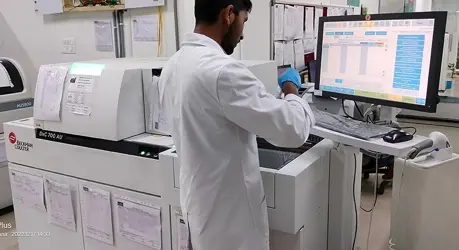
Navigating Healthcare: A Comprehensive Guide to Diagnostic Centers in Hapur
In the intricate web of healthcare, diagnostic centers stand as crucial pillars, providing the vital information needed for accurate diagnoses and effective treatment plans. These facilities offer a wide array of services, employing advanced technologies and skilled professionals to unveil the inner workings of the human body. Whether it’s a routine check-up or the investigation of a specific ailment, choosing the right diagnostic center in Hapur is a significant step towards proactive health management. This article delves into the world of diagnostic centers, exploring the services they offer, the importance they hold, factors to consider when selecting one in Hapur, and insights into the costs of various diagnostic tests in India.
The Vital Role of Diagnostic Centers
Diagnostic centers are more than just testing facilities; they are partners in your healthcare journey. Their importance stems from several key aspects:
- Early Detection and Prevention: Many serious conditions can be detected in their early, more treatable stages through regular screening and diagnostic tests offered at these centers. For instance, routine blood tests can reveal early signs of diabetes or high cholesterol, allowing for timely intervention and lifestyle modifications. Similarly, mammograms and Pap smears play a crucial role in the early detection of breast and cervical cancers, respectively.
- Accurate Diagnosis: When symptoms arise, diagnostic tests provide the objective evidence necessary for a precise diagnosis. This accuracy is paramount for developing an effective treatment strategy. For example, imaging techniques like MRI and CT scans can pinpoint the exact location and nature of a tumor, guiding oncologists in their approach.
- Monitoring Disease Progression: For individuals managing chronic conditions, diagnostic centers offer essential services for monitoring the disease’s progression and the effectiveness of treatment. Regular blood glucose tests for diabetic patients or liver function tests for those with liver disease are critical for managing their health effectively.
- Comprehensive Testing Under One Roof: Reputable diagnostic centers in Hapur typically offer a broad spectrum of tests, eliminating the need for patients to visit multiple facilities. This convenience saves time and reduces the stress associated with managing different appointments and locations.
- Advanced Technology and Expertise: These centers are equipped with state-of-the-art medical equipment and staffed by trained professionals, including radiologists, pathologists, and technicians. Their expertise ensures the accurate execution and interpretation of tests, leading to reliable results.
A Spectrum of Services and Tests
Diagnostic centers in Hapur provide a comprehensive range of services catering to various medical needs. These generally include:
- Pathology Services: These involve the examination of body tissues, blood, and other fluids to diagnose diseases. Common pathology tests include:
- Complete Blood Count (CBC): Evaluates overall blood health, detecting conditions like anemia and infections. Costs in India typically range from INR 300 to INR 500.
- Lipid Profile: Measures cholesterol and triglyceride levels to assess cardiovascular risk. Prices generally vary between INR 600 and INR 1000.
- Blood Glucose Tests (Fasting, Post-Prandial, HbA1c): Essential for diagnosing and monitoring diabetes. Individual tests may cost between INR 100 and INR 500, while HbA1c tests range from INR 500 to INR 800.
- Liver Function Tests (LFTs): Assess the health of the liver. A panel of tests usually costs between INR 800 and INR 1200.
- Kidney Function Tests (KFTs): Evaluate kidney health. A typical panel costs around INR 700 to INR 1100.
- Thyroid Function Tests (TFTs): Measure thyroid hormone levels to diagnose thyroid disorders. A basic panel (T3, T4, TSH) may cost between INR 600 and INR 1000.
- Urine Analysis: Detects abnormalities in urine, aiding in the diagnosis of urinary tract infections and kidney problems. Usually costs between INR 150 and INR 300.
- Microbiology Tests: Identify bacteria, viruses, fungi, and parasites causing infections. Costs vary widely depending on the specific test.
- Histopathology and Cytology: Examination of tissue and cell samples, often used in cancer diagnosis. Costs depend on the complexity of the analysis.
- Radiology and Imaging Services: These utilize various forms of energy to create images of the inside of the body, aiding in the diagnosis of a wide range of conditions. Common imaging tests include:
- X-ray: Uses electromagnetic radiation to create images of bones and some soft tissues. The cost of a single view X-ray in India typically ranges from INR 300 to INR 700 per body part.
- Ultrasound: Uses high-frequency sound waves to create real-time images of internal organs and blood flow. An abdominal ultrasound might cost between INR 1000 and INR 2000, while specialized ultrasounds like obstetrical ultrasounds may have similar or slightly higher costs.
- Computed Tomography (CT) Scan: Combines X-ray images taken from different angles to create cross-sectional views of the body. The cost of a CT scan in India varies significantly depending on the body part and whether contrast material is used, generally ranging from INR 2000 to INR 15000. For example, a CT scan of the head might cost INR 2000−INR 3500, while a CT coronary angiography could cost INR 10000−INR 15000.
- Magnetic Resonance Imaging (MRI): Uses strong magnetic fields and radio waves to create detailed images of soft tissues, the brain, and spinal cord. MRI scans are generally more expensive than CT scans, with costs in India ranging from INR 6000 to INR 18000 or more, depending on the body part and the use of contrast. For instance, an MRI of a single body part might start at INR 6000, while an MRI of the whole spine could cost around INR 18000.
- Mammography: A specific type of X-ray used to screen for breast cancer. Costs typically range from INR 1500 to INR 2500.
- Bone Densitometry (DEXA Scan): Measures bone mineral density to diagnose osteoporosis. A whole-body DEXA scan might cost around INR 4000 to INR 6000.
- Nuclear Medicine Scans (e.g., PET Scan): Use small amounts of radioactive materials to visualize organ function and detect diseases like cancer. These are often more specialized and can be more expensive.
- Cardiology Services: Some diagnostic centers offer basic cardiac tests such as:
- Electrocardiogram (ECG): Measures the electrical activity of the heart. Costs typically range from INR 300 to INR 600.
- Echocardiogram: An ultrasound of the heart to assess its structure and function. Prices generally vary between INR 2000 and INR 3000.
- Treadmill Test (TMT): Evaluates heart function under stress. Costs are usually between INR 1500 and INR 2500.
- Other Specialized Tests: Depending on the center, other services might include:
- Electroencephalogram (EEG): Measures brain electrical activity.
- Nerve Conduction Studies (NCS) and Electromyography (EMG): Assess nerve and muscle function.
- Pulmonary Function Tests (PFTs): Evaluate lung capacity and function.
- Allergy Testing: Identifies allergic triggers.
- Genetic Testing: Analyzes DNA to identify genetic predispositions or diagnose genetic disorders.
- Preventive Health Check Packages: Comprehensive packages tailored to different age groups and health profiles, often including a combination of blood tests, imaging, and other assessments. These packages can range from a few thousand to tens of thousands of rupees depending on the scope.
Note on Costs: The costs mentioned above are indicative and can vary based on the specific diagnostic center, the city, and any discounts or offers available. It’s always advisable to inquire directly with the diagnostic center for the most accurate pricing.
Choosing the Right Diagnostic Center in Hapur: Key Considerations
Selecting a diagnostic center in Hapur requires careful consideration of several factors to ensure you receive accurate, reliable, and convenient services:
- Accreditation and Certifications: Look for accreditations such as NABL (National Accreditation Board for Testing and Calibration Laboratories) or CAP (College of American Pathologists). These certifications indicate that the center adheres to stringent quality standards and ensures the accuracy of test results.
- Range of Tests Offered: Ensure that the center offers the specific tests you need. A comprehensive center that provides a wide array of pathology and radiology services can be more convenient.
- Quality of Equipment and Technology: Modern and well-maintained equipment is crucial for accurate results. Inquire about the technology used for various tests.
- Expertise of the Medical Team: The qualifications and experience of the radiologists, pathologists, and technicians are paramount. A skilled and experienced team ensures accurate interpretation of results.
- Turnaround Time for Reports: Especially for urgent tests, the time taken to receive reports is an important factor. Inquire about the typical turnaround times for different tests. Many centers now offer online report access, which can be a significant convenience.
- Hygiene and Safety Standards: The center should maintain high standards of cleanliness and follow strict safety protocols to prevent infections and ensure patient well-being.
- Location and Accessibility: Choose a center that is conveniently located and easily accessible from your home or workplace. Consider factors like parking availability and public transport connectivity. Some centers also offer home sample collection services, which can be particularly beneficial for certain individuals.
- Cost and Insurance Coverage: Compare the costs of tests at different centers and inquire about any discounts or package deals. Check if the center accepts your health insurance policy. Transparent pricing policies are also a good indicator of a reliable center.
- Reputation and Reviews: Look for online reviews and testimonials from other patients to gauge their experiences with the center’s services, staff, and overall quality. You can also ask for recommendations from your doctor or friends and family.
- Customer Service: A responsive and helpful staff can make the entire experience smoother and less stressful. Observe their communication and willingness to address your queries.
Conclusion
Diagnostic centers in Hapur are indispensable resources for maintaining good health and managing illnesses effectively. By offering a wide range of essential tests and employing advanced technology and skilled professionals, they play a critical role in the healthcare ecosystem. When choosing a diagnostic center, it’s vital to consider factors such as accreditation, the scope of services, equipment quality, the expertise of the medical team, and patient reviews. Understanding the types of tests available and their approximate costs in India can also help you make informed decisions about your healthcare needs. By carefully selecting a reputable and reliable diagnostic center in Hapur, you are taking a proactive step towards ensuring accurate diagnoses and better health outcomes for yourself and your loved ones.


